
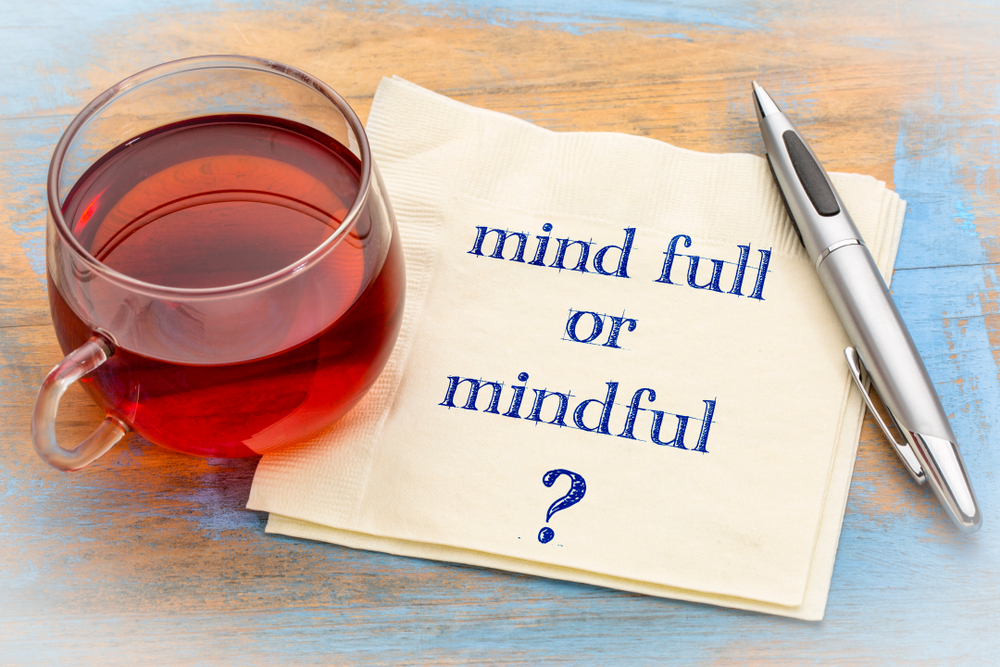
What Is Mindfulness?
Mindfulness is the practice of fully experiencing the present moment with awareness—without judgment, avoidance, or self-criticism.
Instead of getting caught in automatic thoughts or emotional reactions, mindfulness invites you to notice:
- Your thoughts
- Your emotions
- Your physical sensations
- Your surroundings
From a nervous system perspective, mindfulness helps create space between stimulus and response, allowing for greater clarity, calm, and emotional regulation.
Mindfulness and Nervous System Regulation
When the nervous system is under stress, it often becomes reactive. This can show up as:
- Overthinking
- Anxiety and worry
- Emotional overwhelm
- Irritability
- Difficulty focusing
Mindfulness helps support nervous system regulation by training the mind and body to slow down, observe, and return to the present moment.
Over time, this practice can help shift the nervous system out of chronic stress patterns and into greater balance and stability.
The Two Types of Mindfulness Practice
Mindfulness can be practiced in two main ways: formal practice and informal practice.
Formal Mindfulness Practice (Meditation)
Formal mindfulness involves setting aside intentional time to sit quietly and observe your inner experience.
This may include:
- Focusing on the breath
- Noticing physical sensations in the body
- Observing thoughts without attachment
- Allowing emotions to come and go
This form of practice is often rooted in Vipassana meditation, which means “clear seeing” or “insight.” It refers to seeing your experience as it is, without trying to change it.
The goal is not to force relaxation, but to build awareness of what is happening in the present moment.
Informal Mindfulness Practice (Everyday Awareness)
Informal mindfulness is bringing present-moment awareness into daily life.
This can include:
- Paying attention while eating
- Being aware while walking
- Noticing sensations during exercise
- Observing thoughts during conversations
- Becoming aware of emotional reactions in real time
This is sometimes described as strengthening the “observer self”—the part of you that notices your experience without becoming completely absorbed in it.
Responding Instead of Reacting
One of the most powerful benefits of mindfulness is the ability to create space between what happens and how you respond.
We cannot always control external circumstances or other people’s behavior. However, we can begin to change how we respond internally.
Mindfulness supports the shift from:
- Automatic reaction → conscious response
- Emotional overwhelm → grounded awareness
- Impulsivity → clarity and choice
This small pause can significantly change how we experience stress, conflict, and emotional triggers.
What the Research Says About Mindfulness
Research in neuroscience and psychology has shown that mindfulness practice can support positive changes in the brain and nervous system.
Studies by researchers such as Dr. Richard Davidson and Jon Kabat-Zinn have found that regular mindfulness practice may be associated with:
- Reduced stress and anxiety
- Improved emotional regulation
- Increased attention and focus
- Greater empathy and compassion
- Enhanced immune system functioning
- Lower emotional reactivity
- Improved overall well-being and life satisfaction
These findings support mindfulness as a powerful tool for mental health and nervous system regulation.
How Mindfulness Changes the Brain
Mindfulness is not simply a relaxation technique—it is an active training of attention and awareness.
With consistent practice, mindfulness may help strengthen new neural pathways in the brain associated with:
- Emotional regulation
- Present-moment awareness
- Reduced automatic reactivity
This process is often referred to as neuroplasticity, the brain’s ability to change and adapt over time.
In other words, mindfulness helps you build a new relationship with your thoughts, emotions, and internal experiences.
Mindfulness and Emotional Healing
Mindfulness helps you slow down enough to notice patterns that may otherwise go unseen, such as:
- Chronic worry
- Self-criticism
- Avoidance of difficult emotions
- Automatic stress responses
Rather than trying to “fix” yourself, mindfulness encourages a shift toward awareness, acceptance, and presence.
This creates the conditions for deeper emotional healing and supports the nervous system in returning to balance.
Mindfulness Is a Skill
Mindfulness is not something you either “have” or “don’t have”—it is a skill that develops with practice.
Like learning to ride a bike, it may feel unfamiliar at first. With time, patience, and repetition, it becomes more natural and integrated into daily life.
The goal is not perfection, but gentle awareness and consistency.
Final Thoughts
Mindfulness offers a simple but powerful way to reconnect with yourself, regulate your nervous system, and reduce emotional overwhelm.
By learning to be present with your experience—rather than reacting to it—you begin to create more space, clarity, and emotional resilience in your life.
About the Author
Donna Ciccone is an integrative psychotherapist specializing in nervous system regulation, anxiety, emotional healing, EFT tapping, Internal Family Systems (IFS), cognitive behavioral therapy, and mindfulness-based approaches. Her work supports clients in moving beyond symptom management and addressing the root causes of emotional distress.
 Learn more: About Donna Ciccone
Taking the Next Step in Your Healing
If you’d like to learn practical tools for calming your nervous system and reducing anxiety, explore my work or upcoming workshops.
Hi, this is a comment.
To delete a comment, just log in and view the post's comments. There you will have the option to edit or delete them.