
A Gentle and Effective Approach to Healing
Most of us have experienced times when stress, anxiety, or painful life experiences seem to stay with us no matter how much we try to think differently. That's because emotional distress isn't experienced only in the mind—it also affects the body and nervous system.
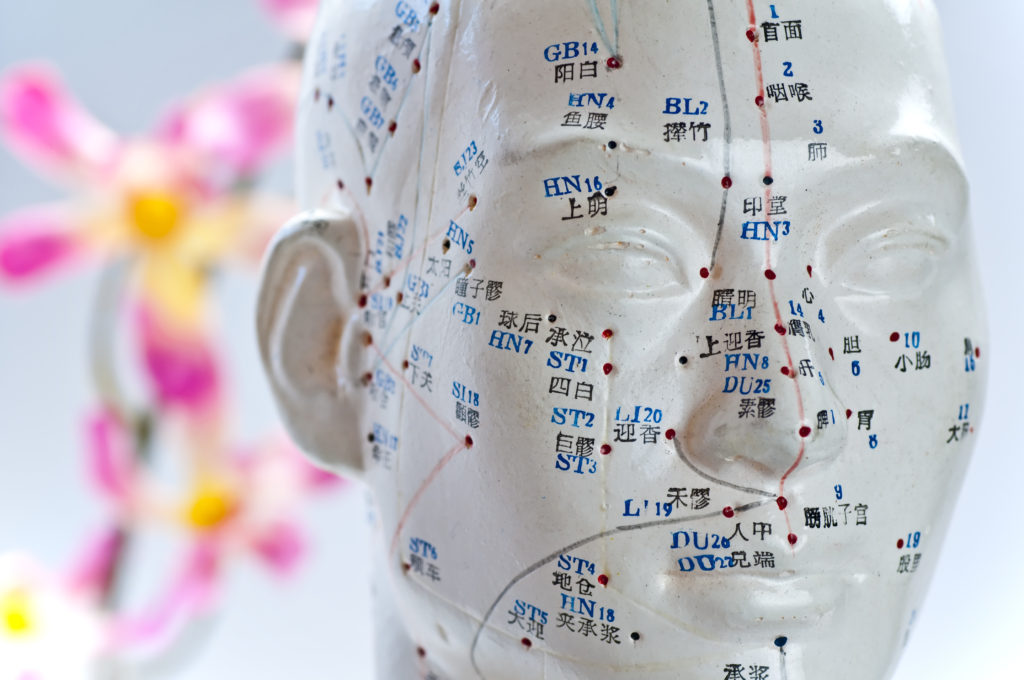
Emotional Freedom Techniques (EFT), commonly known as tapping, is a gentle mind-body practice that combines focused attention with tapping on specific acupressure points. Many people find it helpful for reducing emotional distress, calming the nervous system, and supporting emotional well-being.
Whether you're feeling overwhelmed, struggling with anxiety, processing grief, or working through past experiences, EFT may be a valuable tool to add to your self-care routine.
What Is EFT Tapping?
Emotional Freedom Techniques (EFT) was developed by Gary Craig in the 1990s and is based in part on principles from Traditional Chinese Medicine (TCM). Because it involves stimulating acupuncture meridian endpoints without needles, EFT is sometimes described as "acupuncture without needles."
During an EFT session, you gently tap on specific points on the face and upper body while bringing awareness to a thought, emotion, memory, or physical sensation. This process is designed to help reduce emotional intensity while encouraging greater emotional regulation.
How Does EFT Work?
Researchers continue to study the mechanisms behind EFT, but current evidence suggests that combining focused attention with rhythmic tapping may help calm the body's stress response.
Rather than simply trying to "think positively," EFT encourages you to acknowledge difficult emotions with self-compassion while engaging the body through tapping. Many people report feeling calmer, more grounded, and better able to process challenging experiences after a session.
The Connection Between EFT and the Nervous System
One of the reasons EFT has become increasingly popular is its potential to support nervous system regulation.
When we're overwhelmed, our nervous system can become stuck in patterns of fight, flight, freeze, or shutdown. Learning to regulate these responses is an important part of healing from chronic stress and trauma.
While research is ongoing, studies suggest that EFT may help reduce stress and support emotional regulation, making it a valuable complement to other therapeutic approaches.
What Does the Research Say?
A growing body of research has explored the effects of EFT on stress, anxiety, PTSD, and emotional well-being.
For example:
- Studies have reported reductions in anxiety and PTSD symptoms following EFT interventions.
- Research has demonstrated decreases in cortisol, one of the body's primary stress hormones.
- Additional studies suggest that EFT may influence biological processes related to stress regulation, although more research continues to be conducted.
While no single approach works for everyone, these findings are encouraging and support the continued study of EFT as part of integrative mental health care.
The Power of Group Tapping
One unique aspect of EFT is a phenomenon known as Borrowing Benefits.
When participants tap together in a group while one person works through an issue, others often notice shifts in their own emotional experience—even if they are focusing on different concerns.
This shared experience can foster connection, emotional safety, and a deeper sense of support, making group tapping a powerful complement to individual sessions.
The Personal Peace Procedure
Gary Craig also introduced the Personal Peace Procedure, a simple but meaningful way to work through unresolved emotional experiences.


Get your free tapping guide complete with specific points to tap on including a script so you know exactly what to do to alleviate worry!